Why Repetition Matters in Early Learning
Understanding How Daily Practice Builds Strong Foundations
Repetition is one of the most powerful tools in early learning, yet many parents are unsure whether repeating the same activity or sound truly makes a difference. It can sometimes feel like children are “just doing the same thing again,” but in reality, those small repeated moments are shaping how the brain grows, remembers, and understands new information.
Young children do not learn through one-time exposure. They learn by hearing, seeing, and doing things again and again until the information becomes familiar and comfortable. This familiarity is not simply convenience. It is the way their brains form strong pathways that support long-term learning.
If your child loves repeating stories, songs, or sounds, it is not a sign of being “behind.” It is a sign that they are learning exactly as they are meant to. Repetition creates confidence, mastery, and joy, especially in early reading. That is why understanding the role of repetition can be such a relief. It shows that the most effective learning is simple, gentle, and built on small steps your child can truly absorb.
Children’s brains develop rapidly during the early years. At this stage, they are forming connections every time they repeat an action, listen to a sound, or practice a skill. Repetition strengthens these connections, helping children understand and remember what they are learning. When a child repeats a sound or activity several times, they are reinforcing the pathway in their brain that holds that information.
This is why children naturally gravitate toward repeating things they enjoy. They ask for the same story again, they sing the same rhyme, and they play the same game. It is not just comfort. Their brains are building knowledge through rehearsal. Repetition helps them move from hearing something to recognizing it, and eventually to using it independently.
In the early years, repetition is not a teaching strategy reserved for reading. It supports every part of development. From language to movement to emotional understanding, children strengthen skills through repeated experiences. When parents understand this, repetition becomes something to celebrate rather than something to rush through.
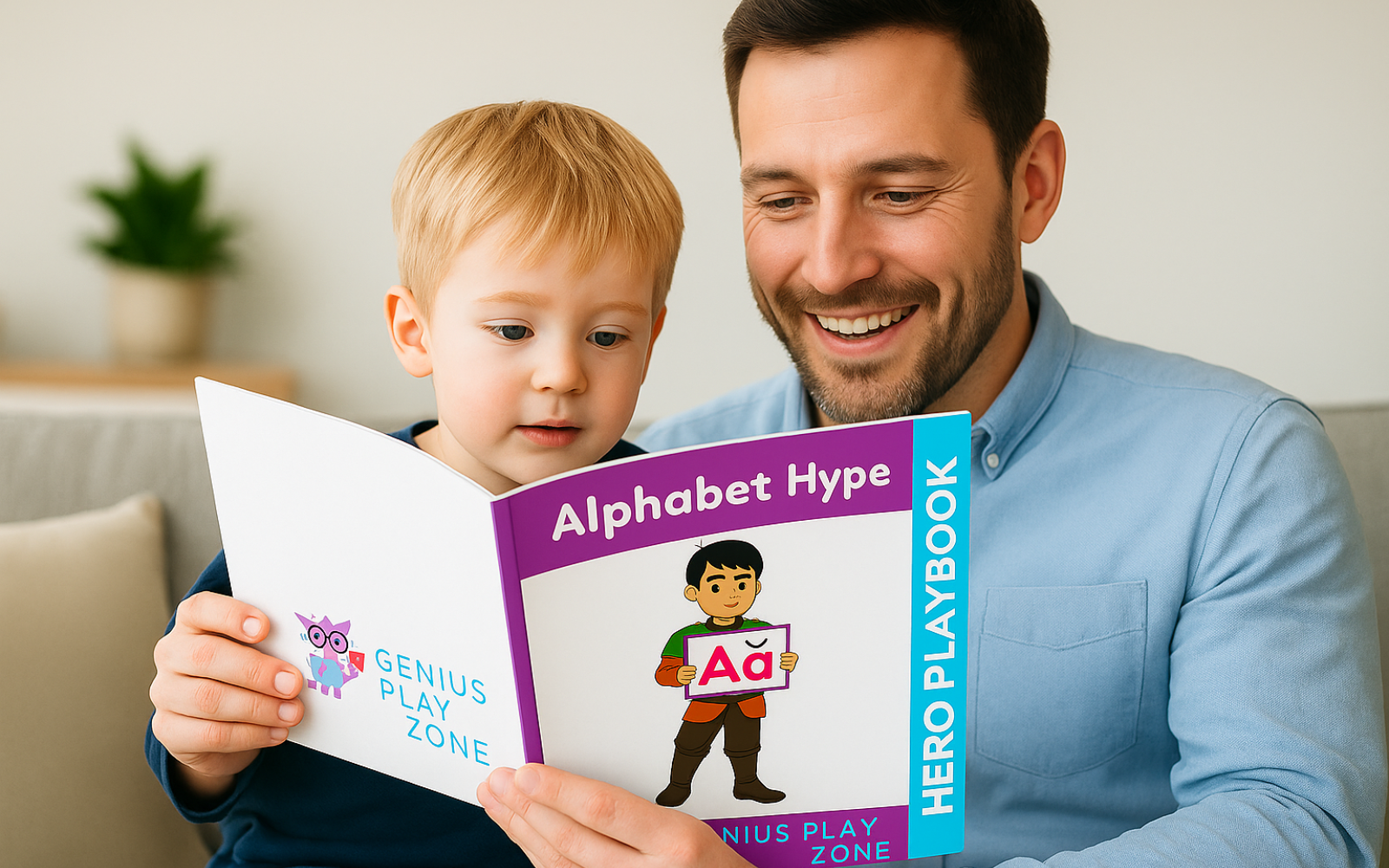
How Repetition Builds Neural Pathways That Support Reading
Early reading depends on strong neural pathways. Each time a child practices a sound, watches a model, or repeats an activity, their brain strengthens the connections that allow them to recall that information later. Research from the Harvard Center on the Developing Child shows that repeated, brief experiences build stronger, more reliable pathways in the brain.
This is especially true for phonemic awareness, which is the ability to hear and distinguish sounds. Children need to hear the same sound many times to recognize it quickly. Through repetition, the brain becomes more efficient at noticing patterns. The more often a child hears and practices a sound, the faster and more accurately they can recall it.
Reading is not simply looking at letters. It involves blending sounds, recognizing patterns, and making sense of symbols. Repetition helps children master these early skills so they can move into reading with confidence. Without repeated practice, children may remember sounds one day but struggle to recall them the next. With repetition, recall becomes natural and automatic.
Confidence grows when children feel secure in what they know. Repetition gives children the chance to become familiar with a skill before they are asked to use it. When something is familiar, it feels safe. When it feels safe, children are more willing to take risks, try again, and keep going.
When learning is new, children can sometimes feel unsure or hesitant. Repetition changes that. Each time a child succeeds at a repeated task, their confidence grows. They begin to trust their ability to learn. This sense of pride becomes motivation. It encourages them to engage in new challenges with a positive mindset.
Repetition also reduces pressure. Children do not have to get something perfect the first time. They know they will have another chance, and another, and another. This takes away fear and replaces it with comfort. As a result, learning becomes joyful rather than stressful.
How Repetition Helps Children Move From Listening to Understanding to Doing
There is a natural learning cycle that children follow. First they listen. Then they begin to understand. Finally, they try to do it themselves. Repetition helps children move through each step without feeling overwhelmed.
When children hear something repeatedly, they begin to anticipate what will come next. This anticipation strengthens understanding. Over time, they start to join in, copy sounds, and practice independently. This shift from passive listening to active participation is one of the clearest signs that repetition is working.
In early reading, repetition is essential for moving from recognizing letter sounds to blending them into words. Children need to hear the same sound many times before it becomes automatic. Once it becomes automatic, they can use it when reading without hesitation. This step is what turns isolated learning moments into real reading progress.
Children thrive when they know what to expect. Predictability creates comfort, and comfort creates enthusiasm. When learning follows a familiar routine, children feel secure and ready to participate. Repetition gives them that structure.
When children feel safe within a routine, they engage more deeply. They look forward to familiar activities and enjoy recognizing what they know. This creates a positive association with learning. Instead of feeling pressured, they feel excited to show what they remember.
Predictability also helps children stay calm and focused. When they know a repeated activity is coming, they are more mentally prepared to join in. This sense of stability supports emotional development as well as academic learning.
Children do not learn best through long lessons. They learn through short, meaningful moments that feel playful and engaging. Repetition fits naturally into play. When a child repeats a sound with a character, sings a rhyme, or completes a familiar activity, they are learning through enjoyment.
Playful repetition keeps learning light. It allows children to explore sounds and ideas without pressure. When repetition is paired with imagination, children are more willing to join in and repeat actions. This combination of play and repetition is one of the strongest ways to build early reading skills.
When children repeat something within a playful story or activity, the experience becomes memorable. They anchor the sound or idea to something enjoyable. This emotional connection helps with long-term retention and deep understanding.
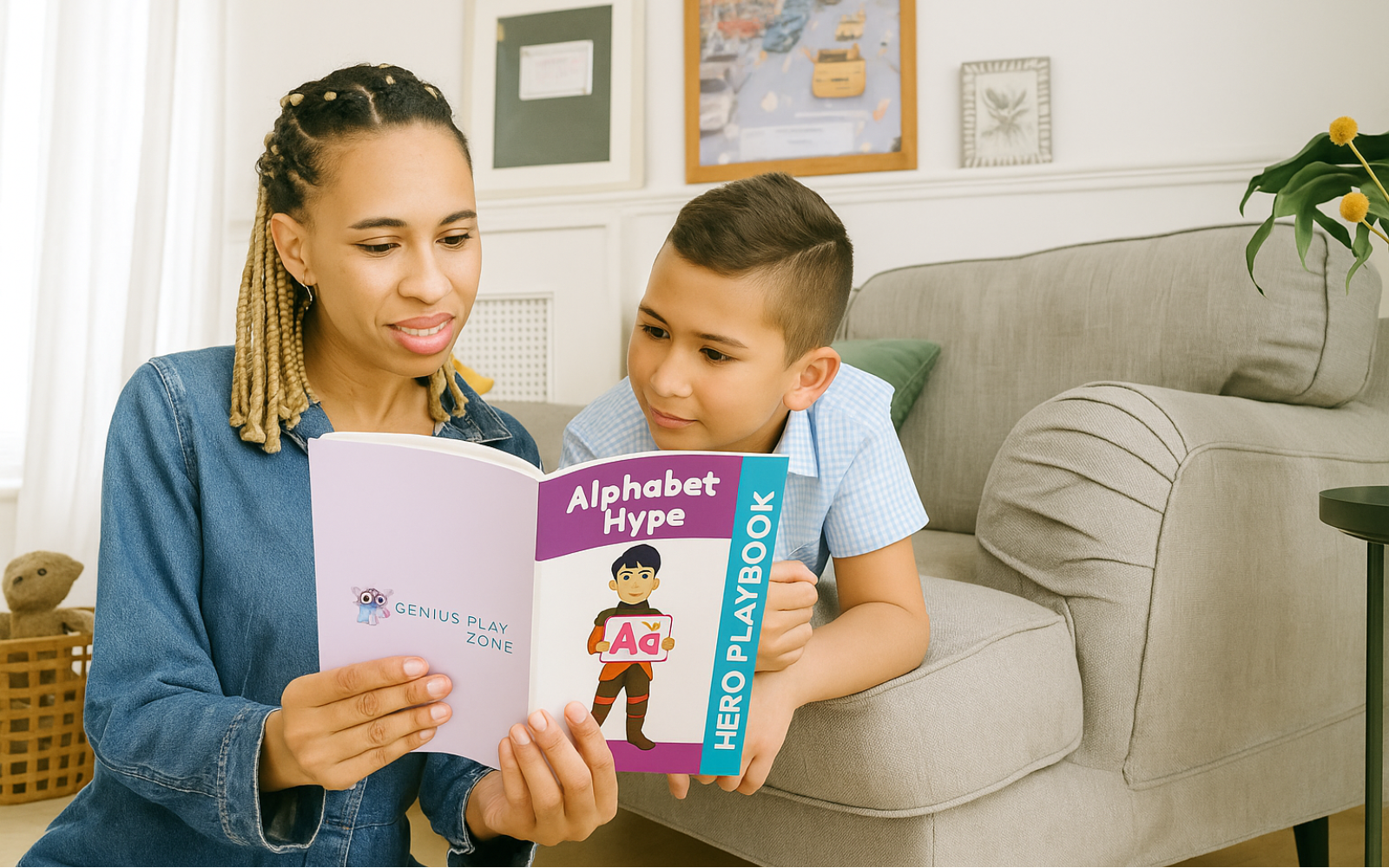
How Parents Can Support Repetition at Home Without Pressure
Parents play a powerful role in supporting repetition. The goal is not to make children repeat things endlessly. The goal is to offer gentle opportunities for repeated practice throughout the day. Short, daily moments of watching, listening, and participating make a bigger difference than long sessions.
Parents can encourage repetition by joining in with enthusiasm. When you model engagement, your child feels motivated to follow. Repetition should feel like something you do together, not something they must do alone.
Celebrating small wins helps repetition feel joyful. Praising effort, noticing progress, and enjoying the process reinforces confidence. With warmth and patience, repetition becomes a natural part of home learning rather than something forced or rigid.
A Gentle Reflection for Parents
Every time your child repeats a sound, song, or activity, they are strengthening their understanding. Repetition is not a sign that learning is slow. It is a sign that learning is happening exactly the way it should. With each repeated moment, your child is building memory, confidence, and curiosity.
If you would like a gentle, structured way to bring repetition into early reading, the Alphabet Hype 14-day journey offers short daily lessons that build sound recognition through repeated practice, imaginative play, and positive encouragement. It gives children a steady rhythm for learning while making every step feel joyful.
Start your child’s reading journey today with Alphabet Hype.
Meta Description:
Discover how repetition shapes early learning and builds strong reading foundations with Alphabet Hype. Learn why daily practice grows confidence and understanding.
References:
Harvard Center on the Developing Child. “Serve and Return.” https://developingchild.harvard.edu/science/key-concepts/serve-and-return/
Harvard Center on the Developing Child. “Brain Architecture.” https://developingchild.harvard.edu/science/key-concepts/brain-architecture/
National Association for the Education of Young Children (NAEYC). “Reinforcing Language Skills for Our Youngest Learners.” https://www.naeyc.org/our-work/families/reinforcing-language-skills